

(So Hard To) Leave Yesterday Behind
How an old Monkees album helped to change my perception of my mother.

In lieu of an interview this week, I’m sharing an essay that I wrote back in 2021 that was originally published in P.S. I Love You.
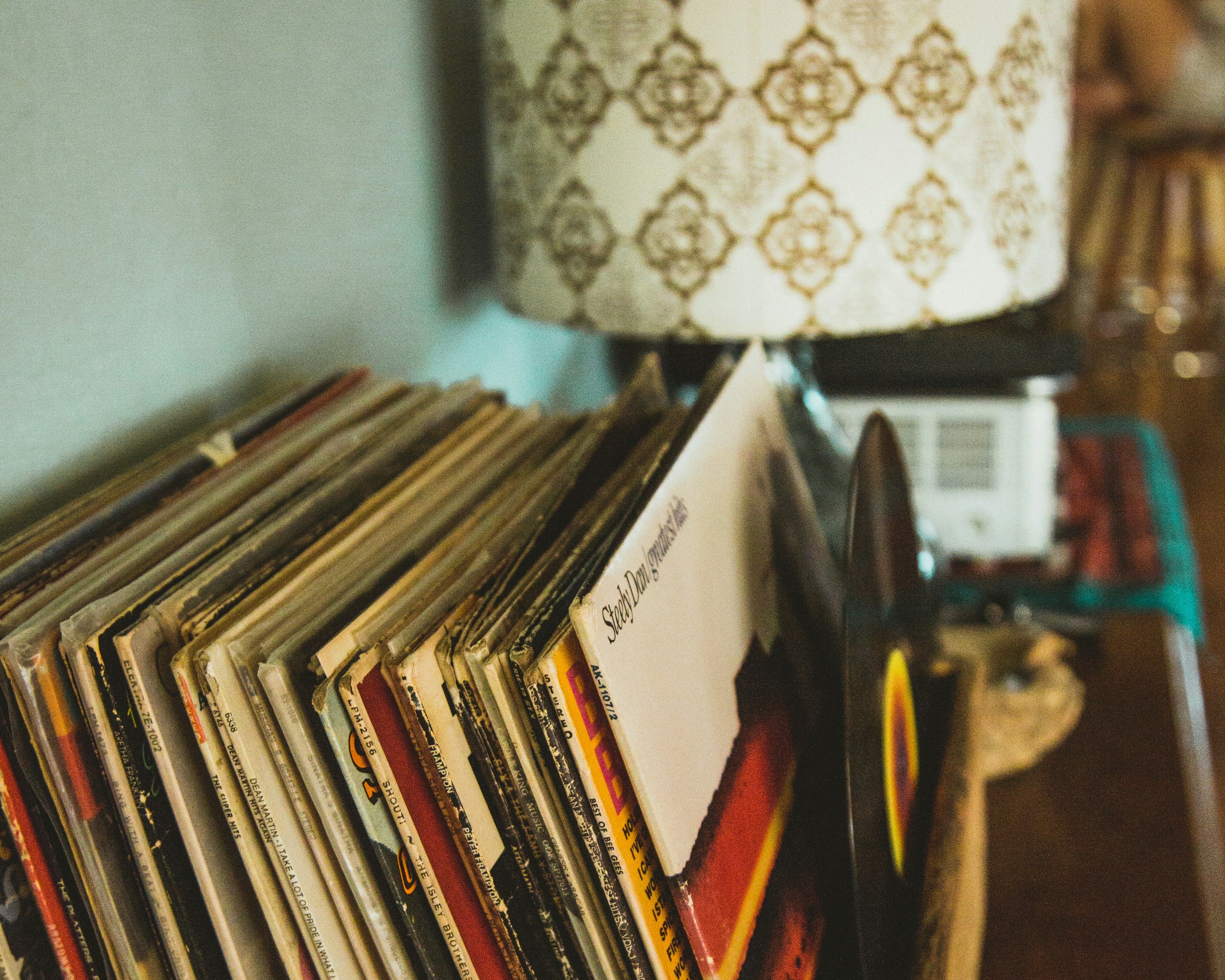
Of all the records stacked side by side in our living room, the Monkees’ 1966 eponymous debut was my favorite. Not for the songs, catchy as they were, but for the sleeve. Caressing the LP, slightly scratched from years of repeated playing, the sleeve would have been just another piece of paper were it not for the doodles drawn by my mother’s teenage hand: ink sketches of girls with long flipped hair wearing mini dresses and go-go boots, surrounded by declarations of love for different members of the band.
“Elaine,” my mother wrote about herself, “loves Peter.”
Peter? I thought. Eww.
My discovery of this album in the mid-’80s changed my perception of my mother. It was a peek into another time in her life. Before marriage, before divorce, before bills piled up. Before all of it, this record showed me, my mother was a girl who drew swirly hearts and had crushes and listened to the Monkees. She was a girl like me.
I’d discovered the album when I was a tween myself and a fan of The Monkees TV show, which was then in syndication. I loved the music, the series, and particularly band member Davy Jones, whose brown eyes and pouty lips made my heart skip a few extra beats.
Unbeknownst to my mother, the record became my prized possession. It was a snapshot of who she was during simpler times: a girl my age, one who doodled and giggled with girlfriends like Cathy and Carol, whose names were written on the sleeve in bubbly cursive. I’d run my fingers over the decades-old ink, envisioning them gabbing about boys.
What did her voice sound like back then? I’d wonder. When she found out her friend liked Davy, did she respond with “Eww,” as I had about Peter? What else did she like? Would we have been friends?
Like most kids, I’d always seen my mother through a single lens: that of an adult, one who had never been anything but grown, as if her life began the moment I was born. The record offered a rare glimpse of her as a girl, to me as a girl. When I held that sleeve in my hand, I could toss all notions I had of her aside; we were simply two preteens bonding over boys and music, decades apart. The album allowed me to know her in a way that no other item had.
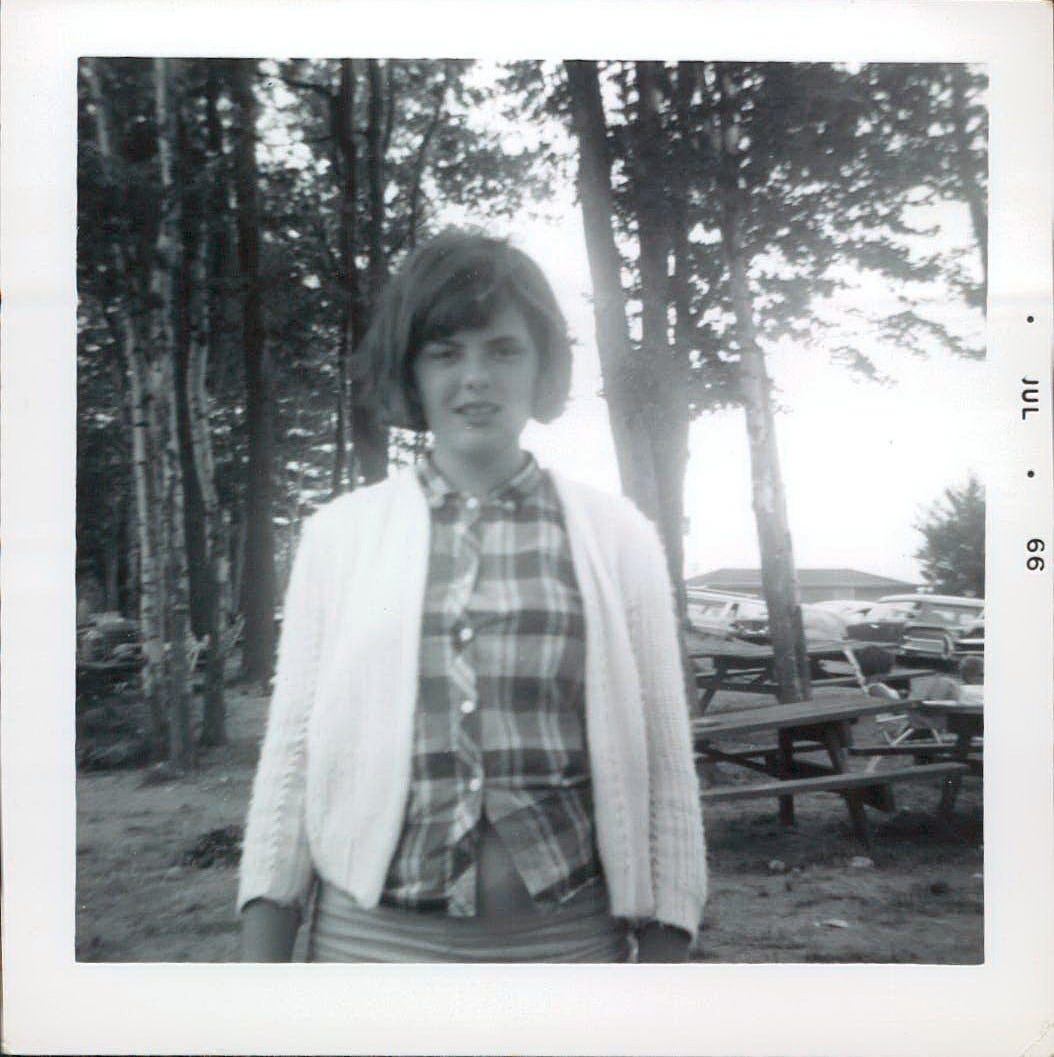
Twenty years later, living 3,000 miles away, I called my mom, catching her in the midst of cleaning. Somehow, the record collection came up.
“Don’t get rid of them, OK?” I said, thinking specifically of The Monkees. “If you don’t want them, I can take them the next time I visit.”
“Oh, those old things? I tossed those already.”
My stomach dropped. I was stunned. My reaction — some combination of “What?” and “How could you?” — probably sounded extreme. My mother couldn’t understand why I cared about a stack of old albums no one had listened to in years. And I couldn’t find the words to express that The Monkees LP was more than just a collection of pop tunes. It was a portal to a time when we were both young. It was the bond I felt with her when I held it in my hand.
A few weeks later, my mother reached out to tell me she’d discovered another box of old albums in the attic, and I was welcome to take any that I wanted. On my next visit, I sat on the living room floor, flipping through the box’s contents. My eyes scanned each cover as I read the artists’ names: “Lynard Skynard. Prince. The Beatles. Cher.” No Monkees.
I was heartbroken. I couldn’t believe the album and its sleeve were gone. I wanted so badly to run my fingers along the sketches once again, to connect with those young girls, my younger self included, and their seemingly uncomplicated lives. More out of musical preference than nostalgia, I brought a few of the records home with me. One rainy day, I pulled one out of its plain white sleeve: Carole King’s Tapestry, released when my mother was 17.
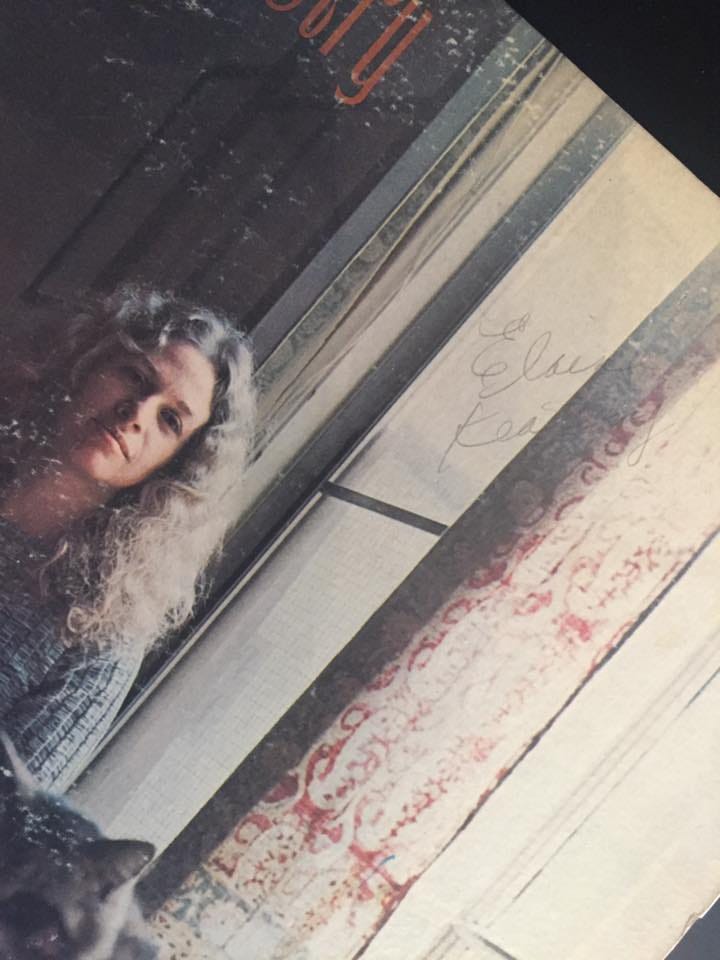
I placed the album on the turntable. As the needle traced the grooves on the vinyl and King’s voice filled the room (“It doesn’t help to know you’re just time away”), I noticed a faded inscription on the album’s cover — “Elaine Keating,” my mother’s maiden name, written in her cursive script. There were no scribbles or doodles or declarations this time. Just her name, that of a woman just a few years shy of marriage and motherhood. And like that, the portal opened, and we were once again two young women forging a bond through time.
Like what you’re reading? Please subscribe to support my work.