

That Time Ani DiFranco Talked About Making a ‘Pseudo Hip-Hop Record’
Exclusives from the archives.

This is a benefit for paid subscribers. If you’re interested in reading this post or hundreds of others in the archive, please upgrade to a paid subscription. It gives you access to posts like these, and helps me keep the lights on. Win-win!
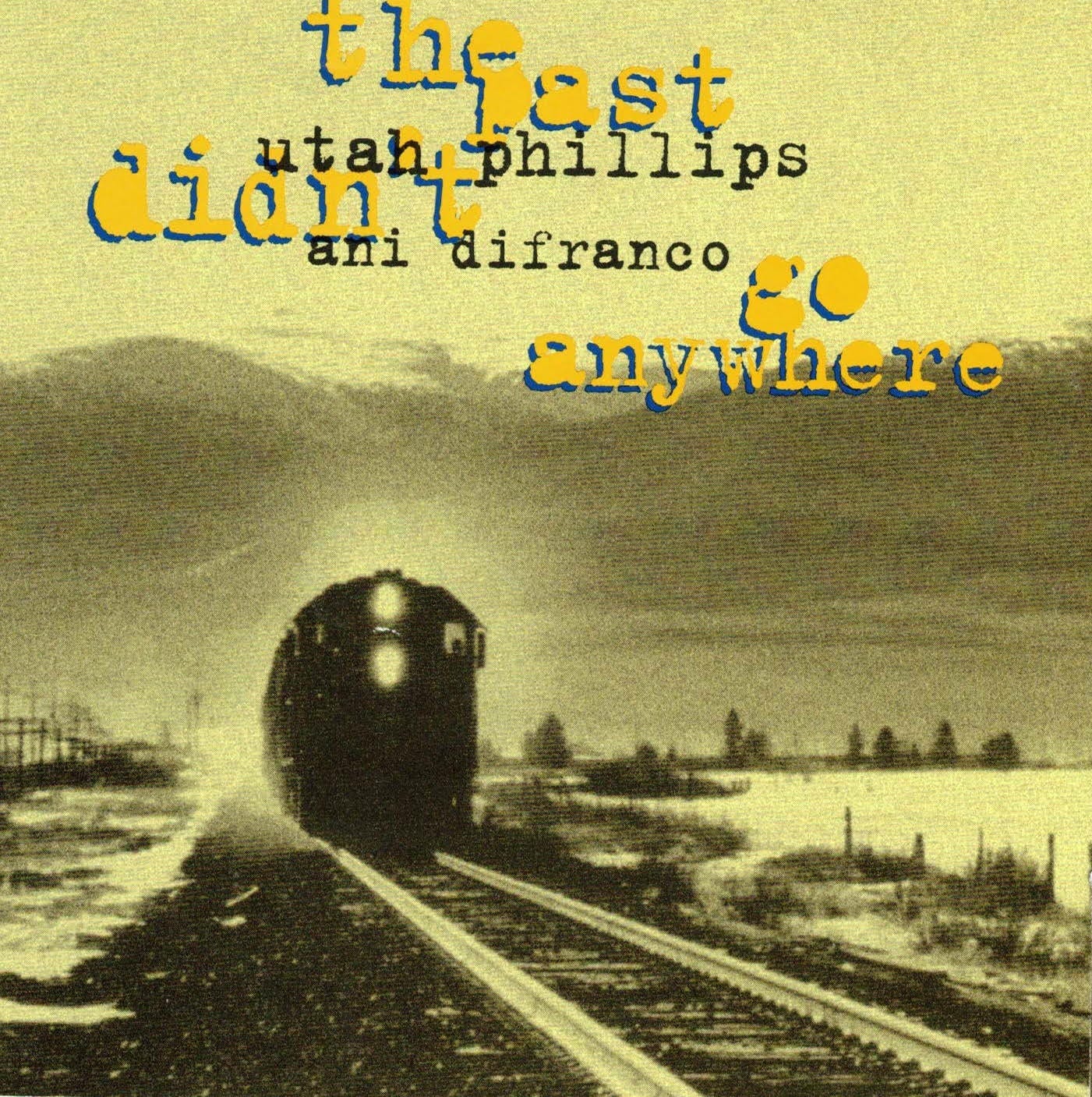
In October 2021, I had the pleasure of interviewing Ani DiFranco, an artist I’d been a fan of for decades, for the third time. The interview, conducted for AARP, was intended to be about the 25th anniversary of The Past Didn’t Go Anywhere, an album featuring the stories of folk legend Utah Phillips set to Ani’s original music. But during our 90-minute Zoom call, we covered a wide range of topics, from the making of the album to the pandemic, which was still raging, as well as new artists she was into, the concept of restorative justice, the “weird” process of adapting her memoir for the screen, and her relationship with “notable elders” in the folk music scene.
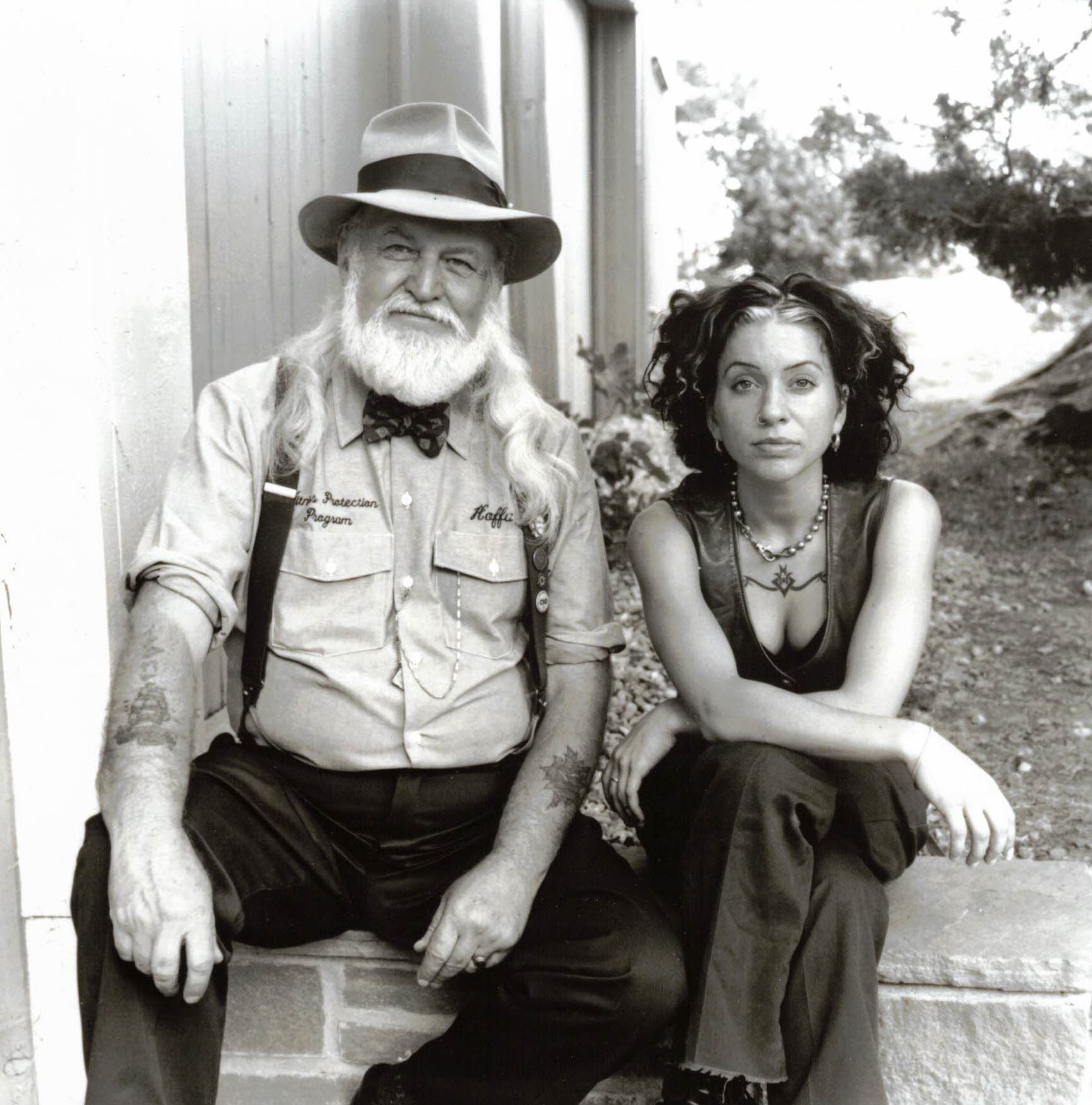
As DiFranco shared during our chat, it was Utah, who was 61 at the time of the album’s release, and others of his generation who were most supportive of her early work. “I started going to these folk festivals and I was being judged a lot by the broader folk community,” she says. “I looked different. I acted different. I sounded different. I was shaking things up and was not welcome by some of the folk traditionalists. But Utah, Pete Seeger, Tom Paxton, Si Kahn, Peter Yarrow—those were the old folk fogies I can think of off the top of my head who were just like, ‘Ah, come here, kid. You’re one of us.’ They saw themselves in me and saw in my work a continuation of their own work.”
Our interview was published as a short profile on AARP.org’s members-only website, but after a few years it was pulled due to a site redesign. I’ve been given permission by my editor there to republish the piece as a Q&A here. Much of what is included has never been published before, so I’m excited to share it with you now.
SANDRA EBEJER: How’s your year going?
ANI DIFRANCO: Good. I would say it’s an uptick from last year. How about you?
I think it’s okay? This is my third time interviewing you. The first was at the very beginning of the pandemic, when you just had come back from recording Revolutionary Love and everything was weird. Nobody knew what was going on. And then when I talked to you in January after that album’s release, it was, I think, much more of a reluctant acceptance of the pandemic. And now, I just don’t know.
I know what you’re saying. I feel much like you do, just discombobulated.
Yeah. And you just went on tour!
Yes. That was chaos. I guess we’re not going to attempt to do that for another little while. So I’m back into folk singer lockdown. But even life at home seems jumbled and confusing.
When you go on tour and everything offstage is chaos, are you able to do what you need to do on stage to perform?
That part of it was awesome, just connecting with audiences in the field. It took me about three shows, I would say. I was like, “Geez. What other skills do I have? Maybe this is just not even the thing to do anymore?” And at about show three, I was like, “Fuck yeah! I miss you guys!” And man, just seeing audiences, especially at the indoor clubs. We did some clubs and [attendees were] masked all night, singing along, steaming up their faces, getting a face full of zits. It was difficult, as anybody who spends a while in a mask [knows], but seeing people rise to it, it was very touching, given what’s happening everywhere in our society, to see a group of people take care of each other and suffer through it because that’s what you got to do.
Totally. There are those little moments, which I’m sure your audiences felt, where things feel normal again. And then they go back to not being normal. So, this interview is about The Past Didn’t Go Anywhere. I pulled out my copy that I bought right around the time it came out 25 years ago. When did you first meet Utah? Did you know of his work prior to meeting him?
Not long before meeting him I learned of his work. I think that was 1990. It was certainly by ‘92. It was when I got picked up by a national booking agent, which at that time was called Fleming Tamulevich, later just Fleming Artists. They were like the folk mafia. They were the big folk booking agent. I was making a stir on the folk scene. I had played a couple folk festivals and people noticed I was connecting with audiences, but I was totally independent. So this big, to me at the time, fancy booking agent came to check me out and ended up signing me, and Utah was another artist on their roster. Instantly, I became kindred with a lot of folk singers through Fleming, and Utah was one of them.
Your album Dilate had come out earlier in the year. That was around the time when you became more widely known. You were on MTV, you’re on all these magazine covers, and you follow up Dilate with The Past Didn’t Go Anywhere—this album of stories by this elder folk singer many people had never heard of. What inspired you to make this album at that point?
Keep reading with a 7-day free trial
Subscribe to Creative Reverberations to keep reading this post and get 7 days of free access to the full post archives.